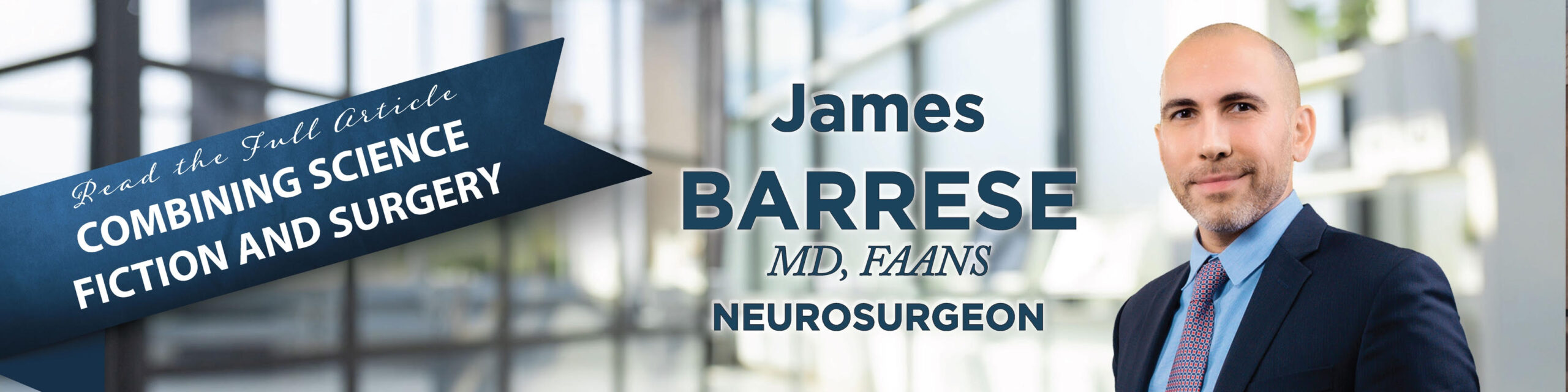

James Barrese, MD, FAANS: Combining Science Fiction and Surgery
Neurosurgeon James Barrese, MD, FAANS, almost didn’t become a doctor. His father, an anesthesiologist, tried to talk him out of a career in medicine. Instead, Dr. Barrese studied neuroscience—particularly technology’s impact on the brain and nervous system. Fascinated by the field, he applied to medical school and never looked back. “Once I started shadowing surgeons in medical school, I just fell in love with neurosurgery,” he explains. “I became interested in movement disorders and newer technology like deep brain stimulation and brain-machine interfaces, really science fiction type stuff.” Dr. Barrese, who grew up in Rockland County, New…
Read More
High School Pitcher Back on the Mound After Innovative, Non-Surgical Treatment of UCL Tear
High school junior Nicholas Lennon has been playing baseball since he was 6 years old. When he began to experience elbow pain that wouldn’t go away, he turned to Princeton Brain, Spine and Sports Medicine for help. Nicholas, 16, a pitcher and outfielder, plays baseball for Howell High School and is also active in a travel baseball league and local baseball academy. And while all of this time on the field has allowed him to hone his skills, it also led to intermittent elbow pain. In 2020, an MRI of Nicholas’s right elbow showed inflammation,…
Read MoreVirtual Lecture with Dr. McLaughlin: Living Your Limitless Life
Register for: Living Your Limitless Life: A Brain Surgeon’s Approach to Longevity Join Dr. Mark McLaughlin on Wednesday, April 14 at 7:00pm for a virtual lecture. Neurosurgeon, author, speaker, coach, and Founder of PBSSM Dr. Mark McLaughlin will share how we can live healthier, more fulfilling lives by focusing on three key areas: creating new habits, caring for our back and spine, and curating our minds. An email link to the Zoom presentation will be sent to registered participants the morning of the event.
Read More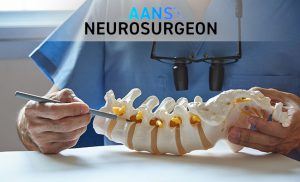
The Electrician vs. the Carpenter Revisited
Dr. Mark R McLaughlin, MD, FAANS, FACS revisits and updates the discussion exploring one of the most common internet queries for patients: who is better qualified to perform spine surgery? An orthopedic surgeon or a neurosurgeon? The Electrician vs the Carpenter Revisited https://www.aansneurosurgeon.org/feature/the-electrician-vs-the-carpenter-revisited/
Read MoreThe Pandemic is Stressing Our Bodies
Featured in Suburban Life Magazine https://digital.southjersey.com/issue/3/3228/57/
Read MoreDr. Joseffer: Treating Back Pain
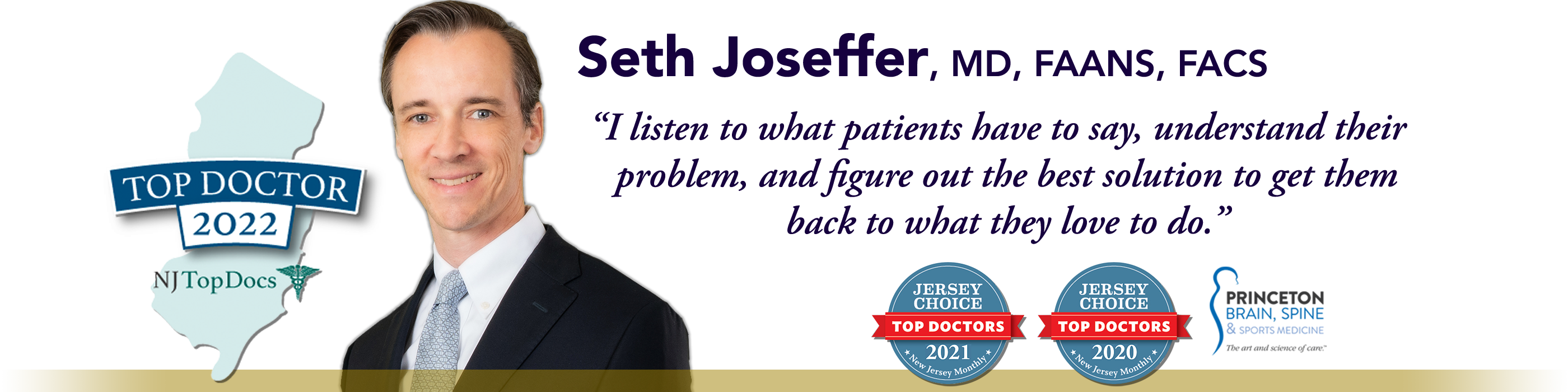
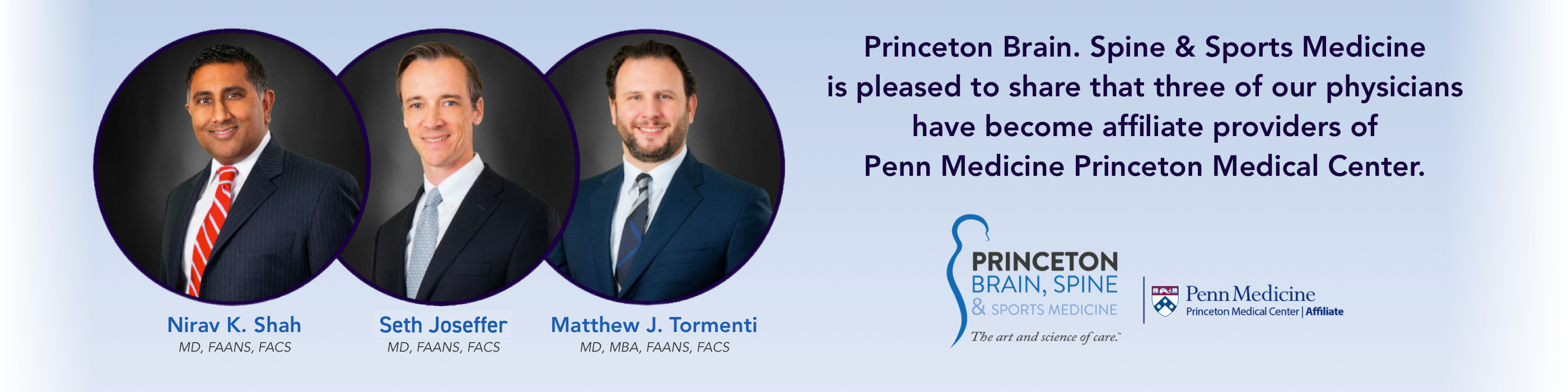
Featured in Princeton Health Magazine: Dr. Joseffer, Chief of Neurosurgery at Penn Medicine Princeton Medical Center (PMC), and Co-director of PMC Spine Services
Read More2020 Top Doctors
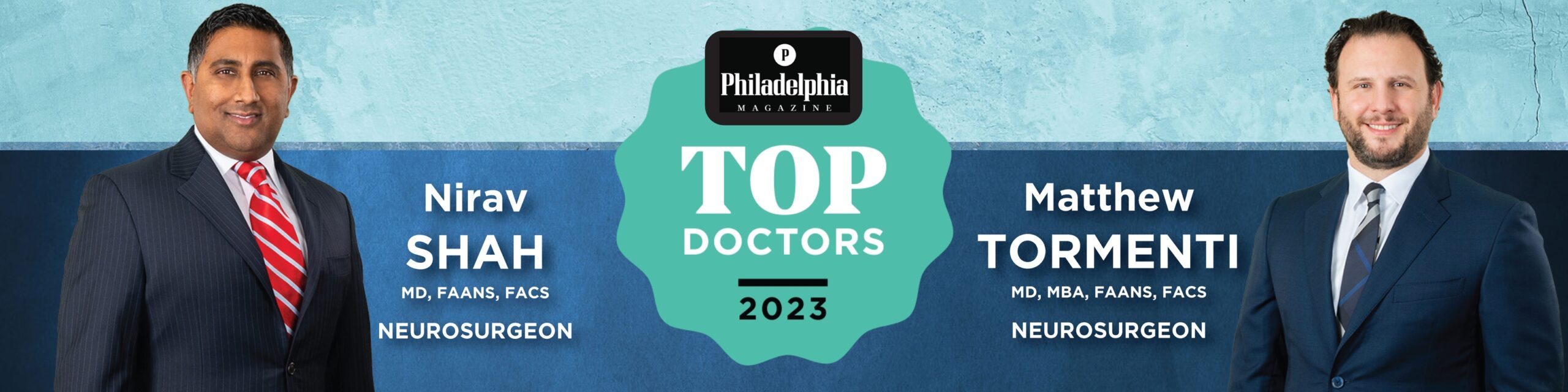
Congratulations to Nirav Shah, MD on being named one of Philidelphia Magazine Top Doctors 2020! https://www.phillymag.com/find-a-doctor/nirav-shah/
Read MoreFear: Facing the Moment in Current Time
Listen to Dr. Mark McLaughlin speak with Dr. Jeanette Gallagher about the current times we are in and how to handle the fear and uncertainty you may be facing.
Read MoreOur Team
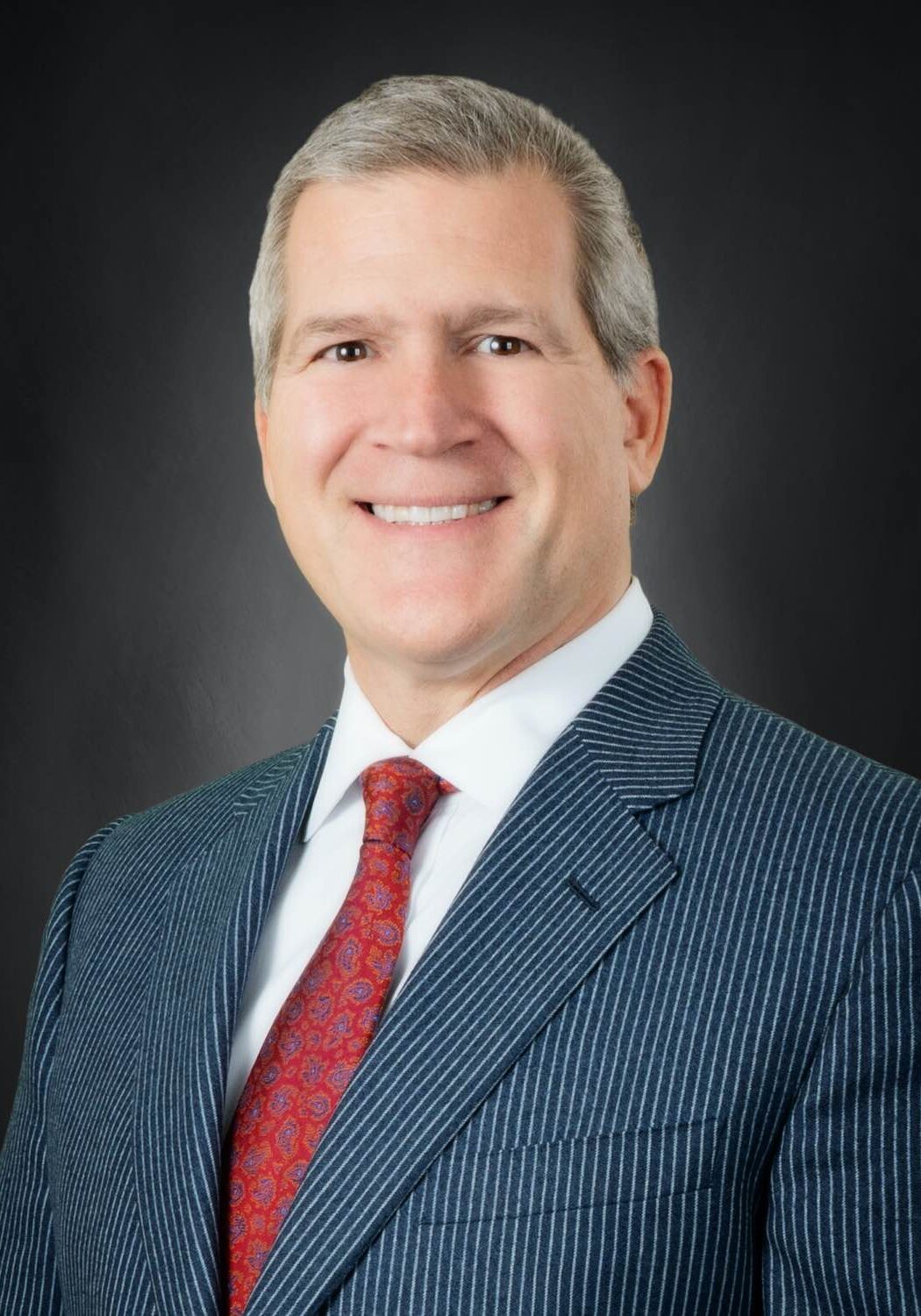
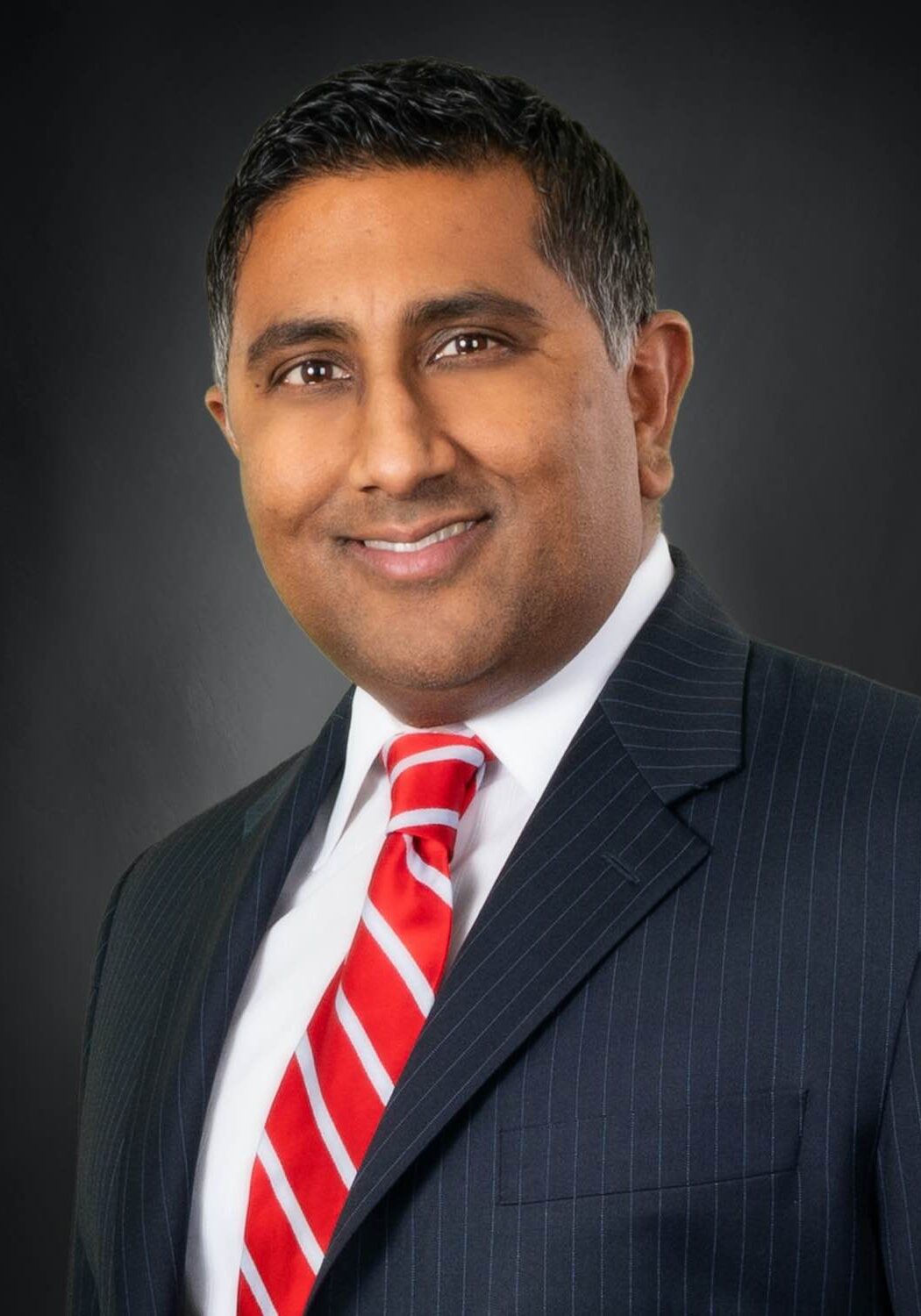
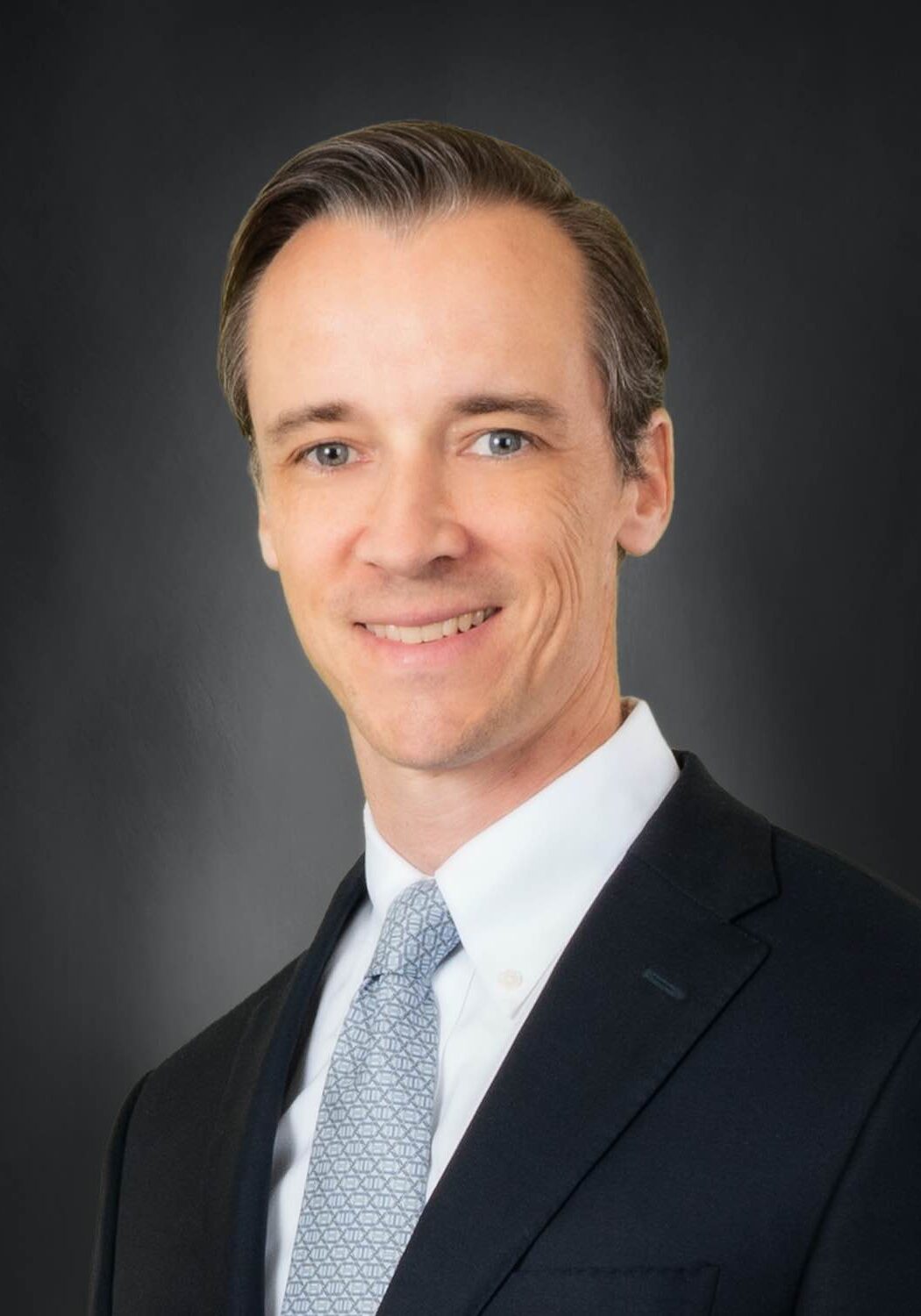
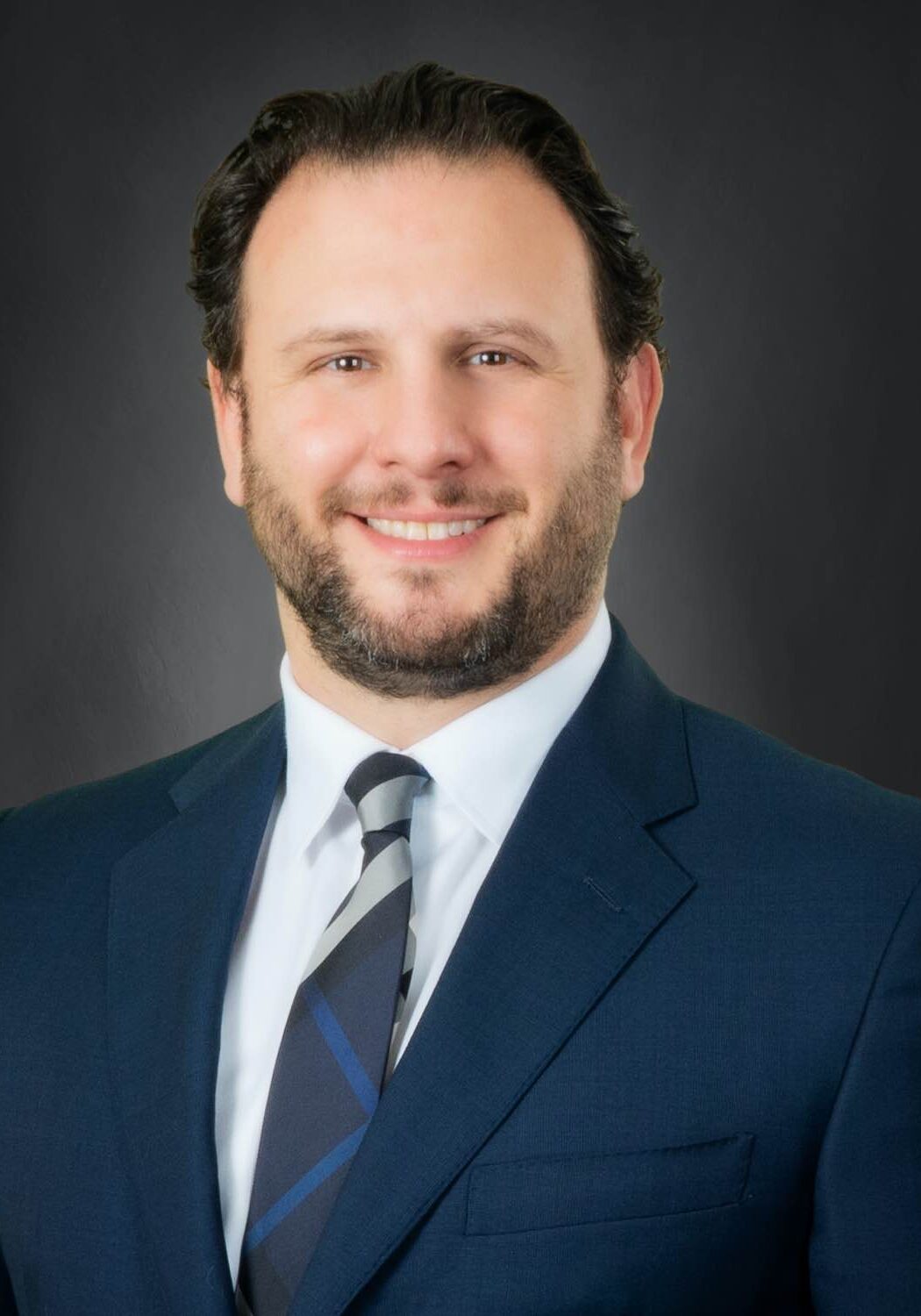
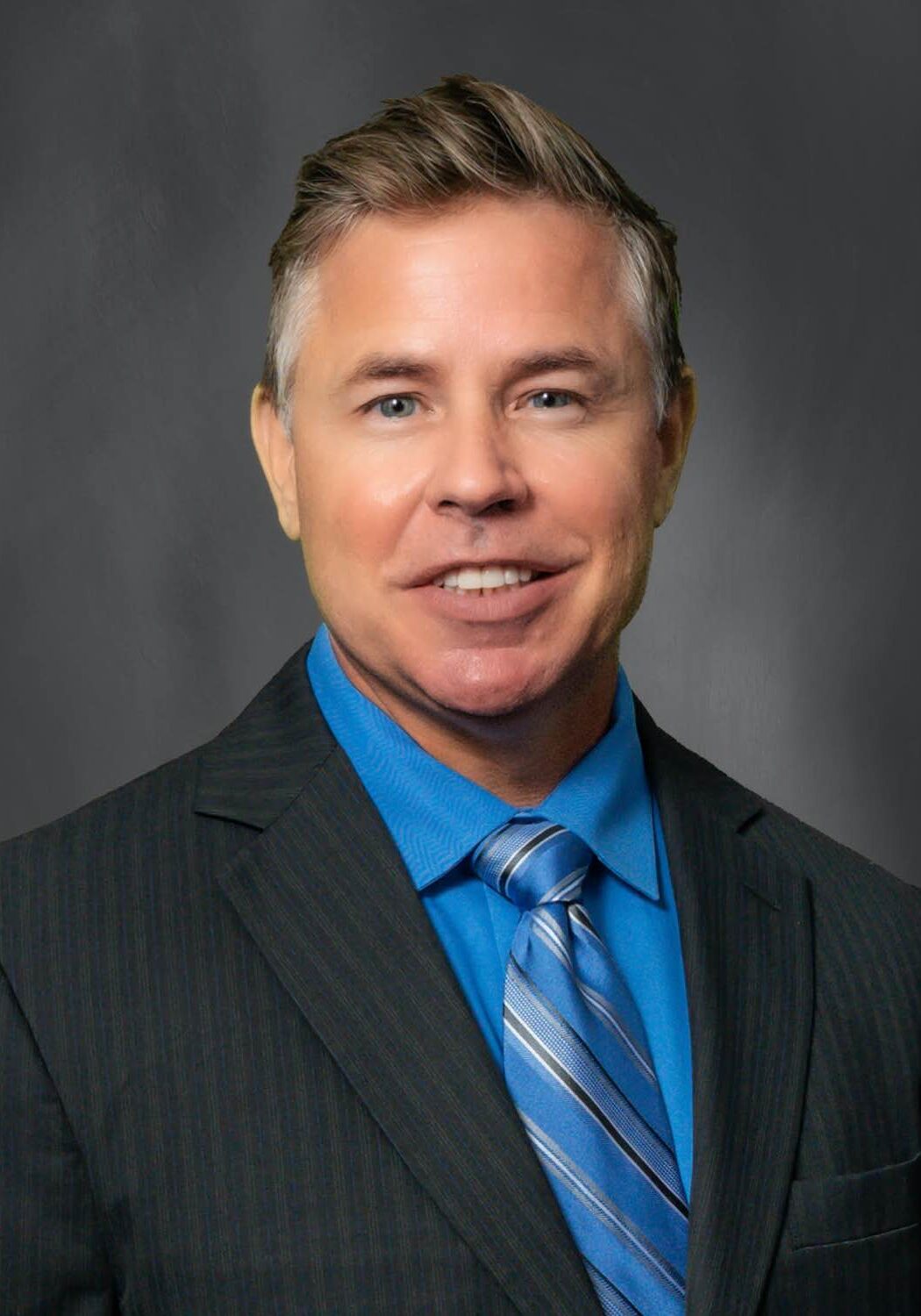
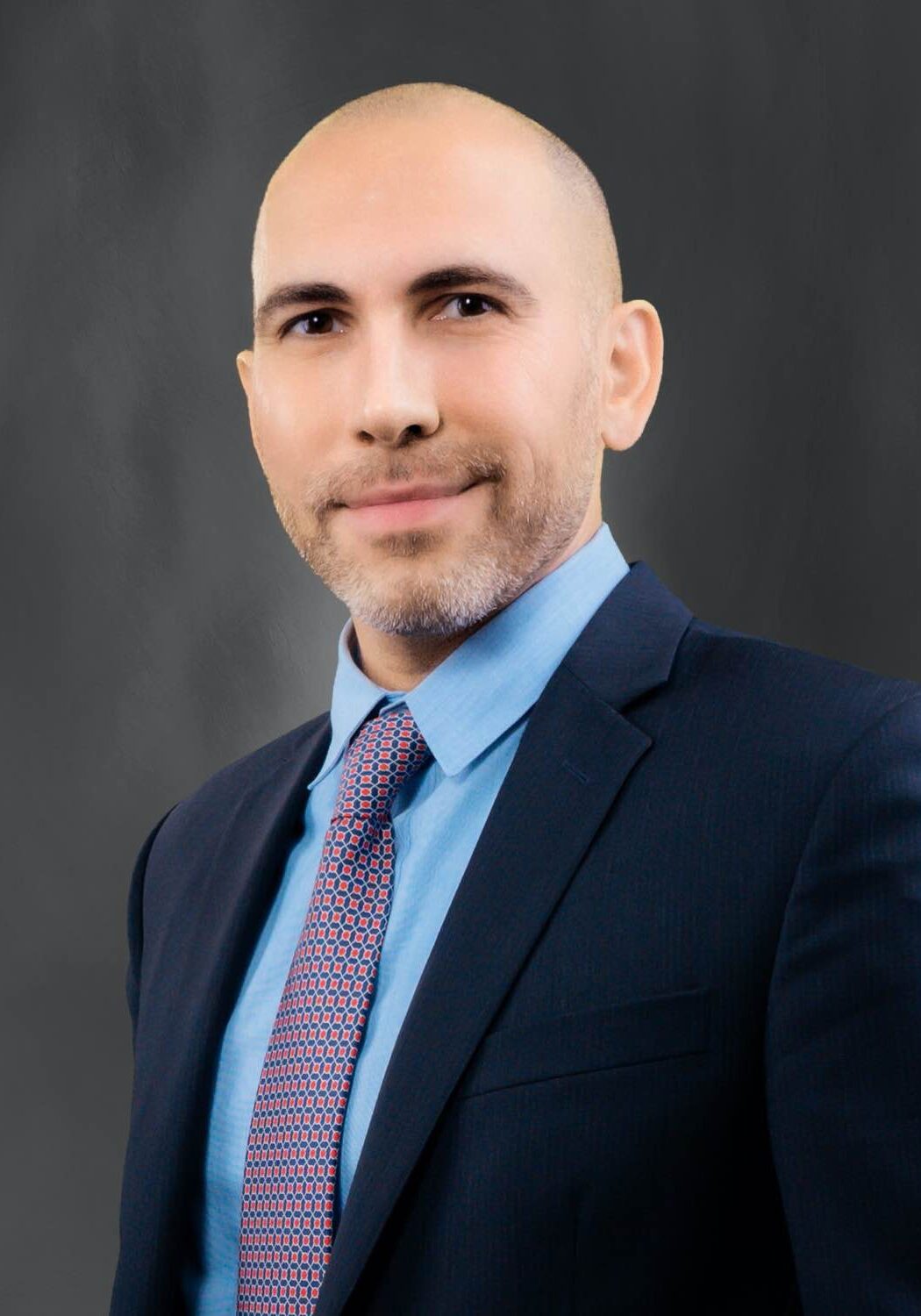
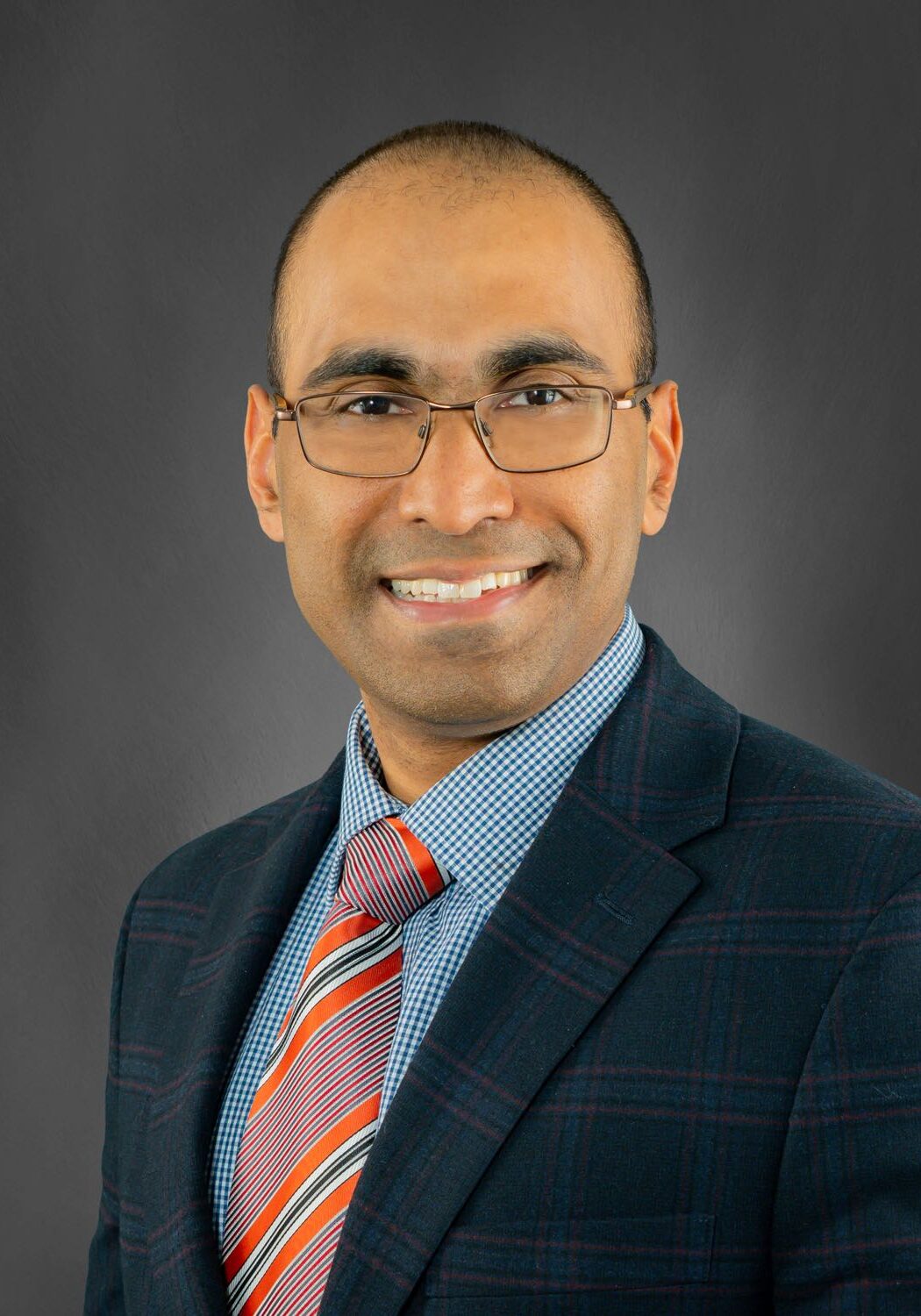
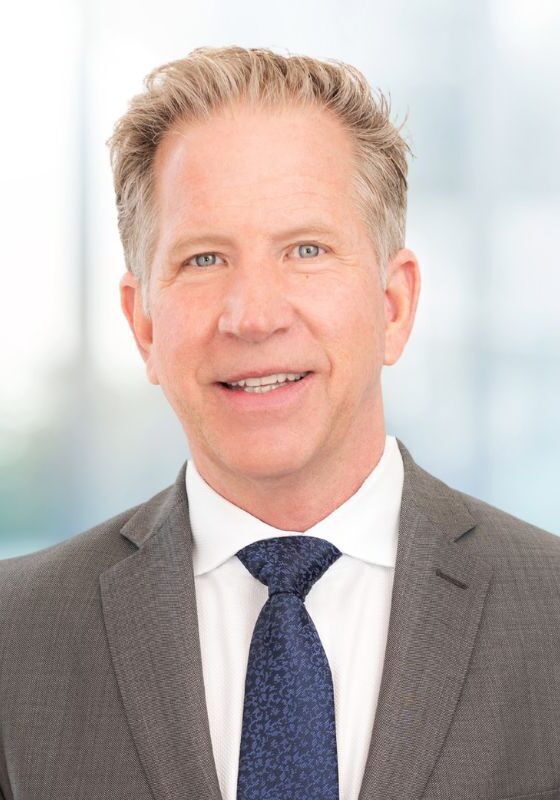
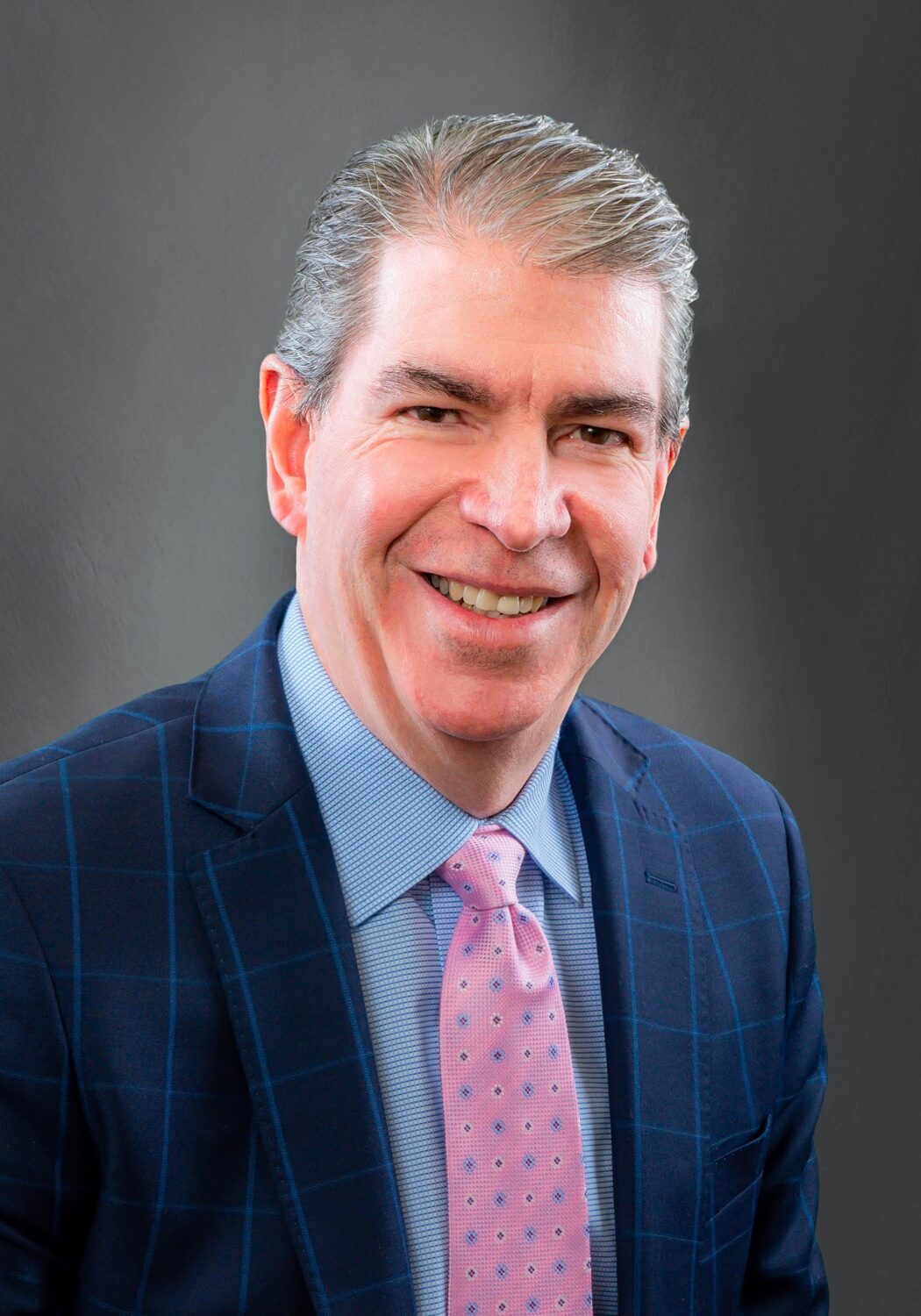
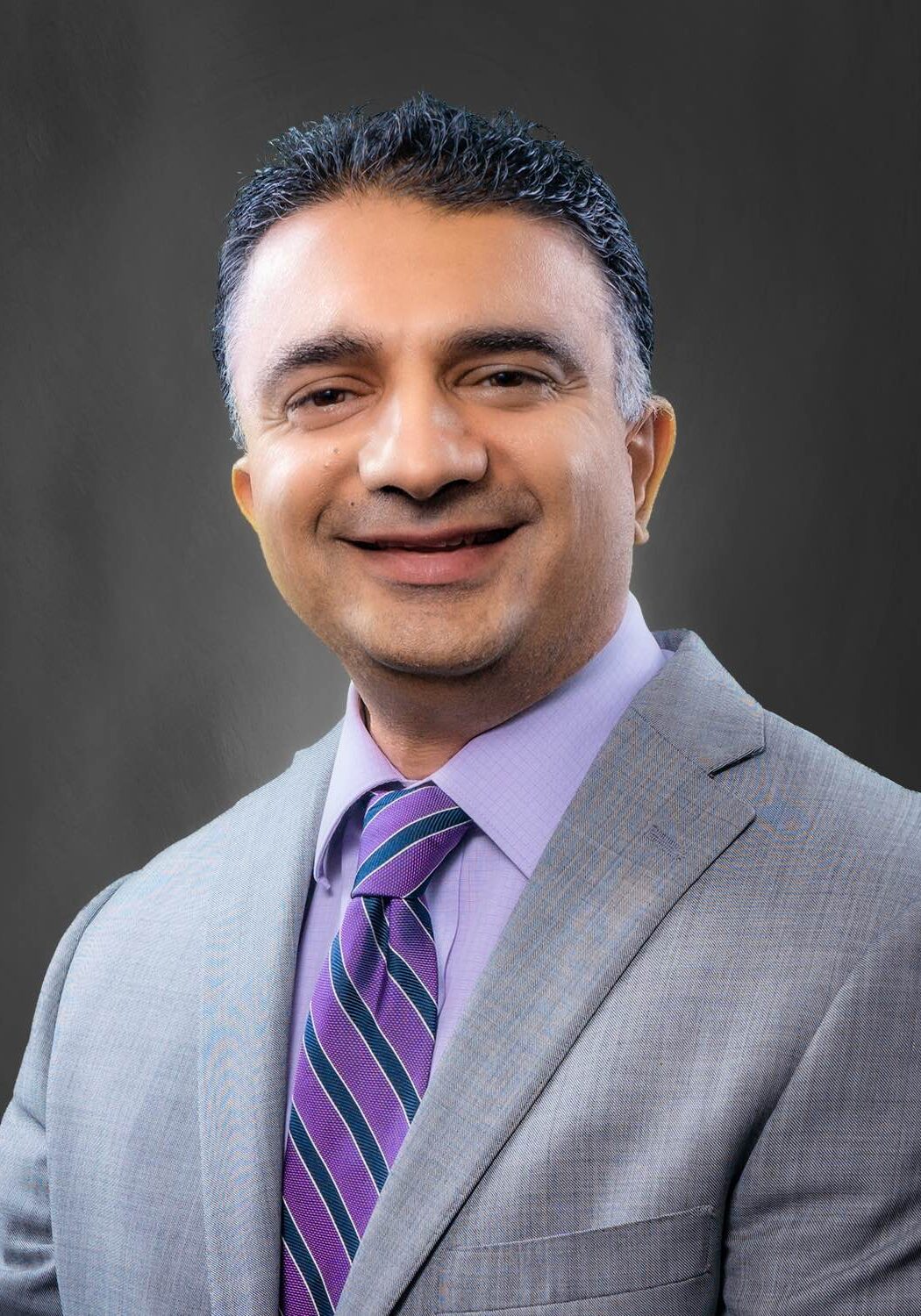
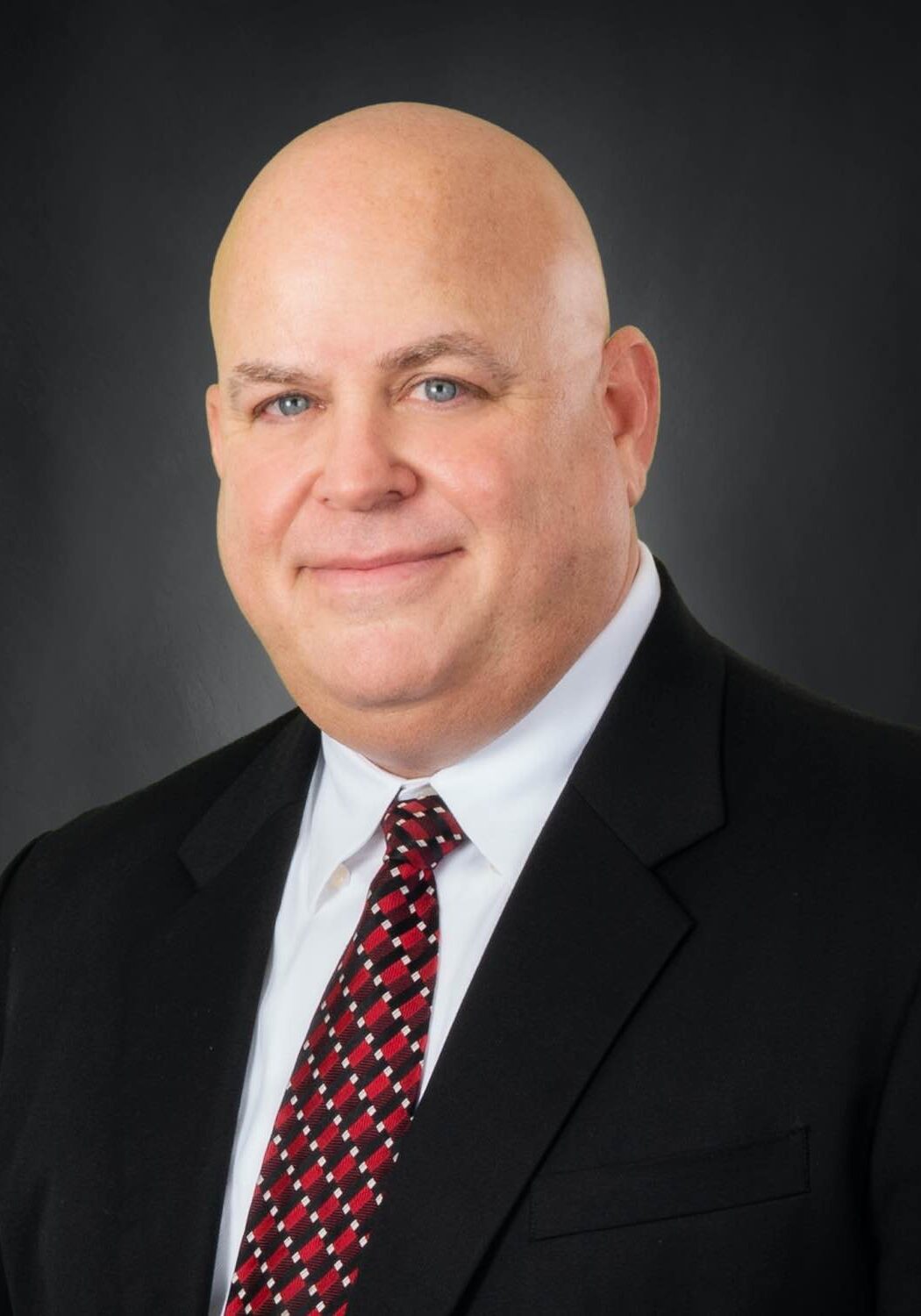
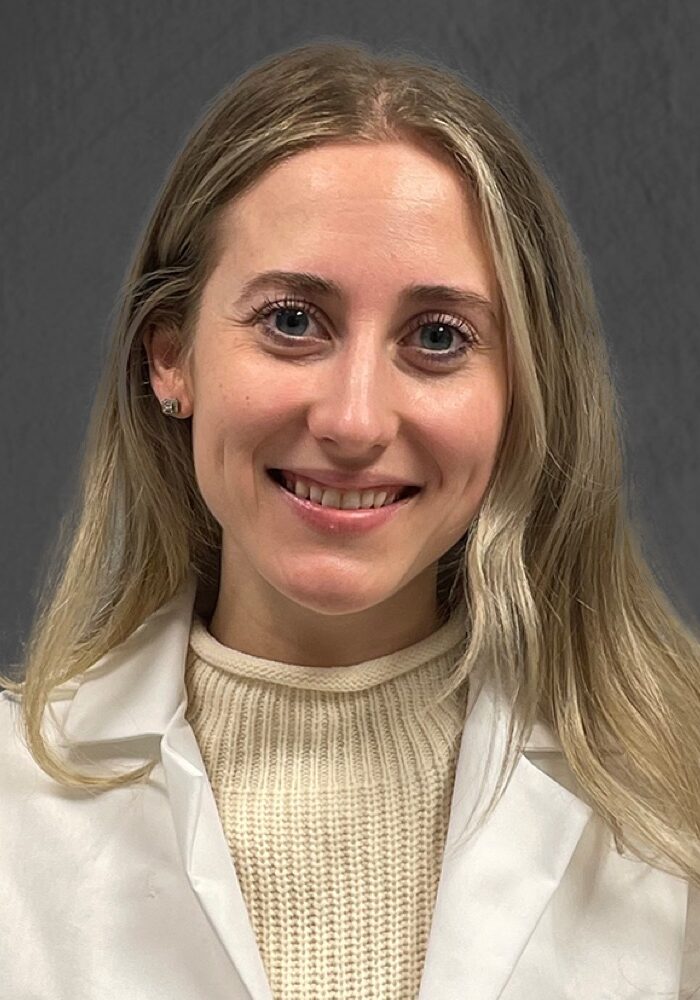
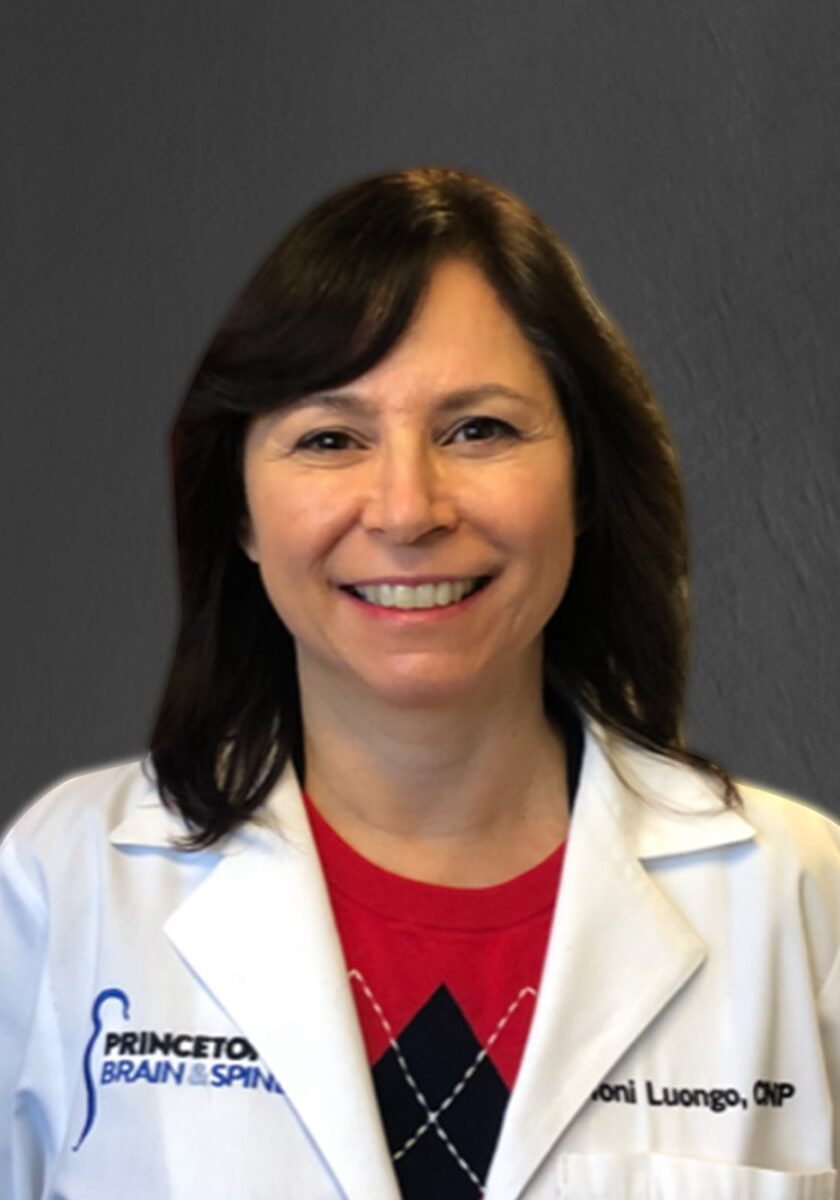
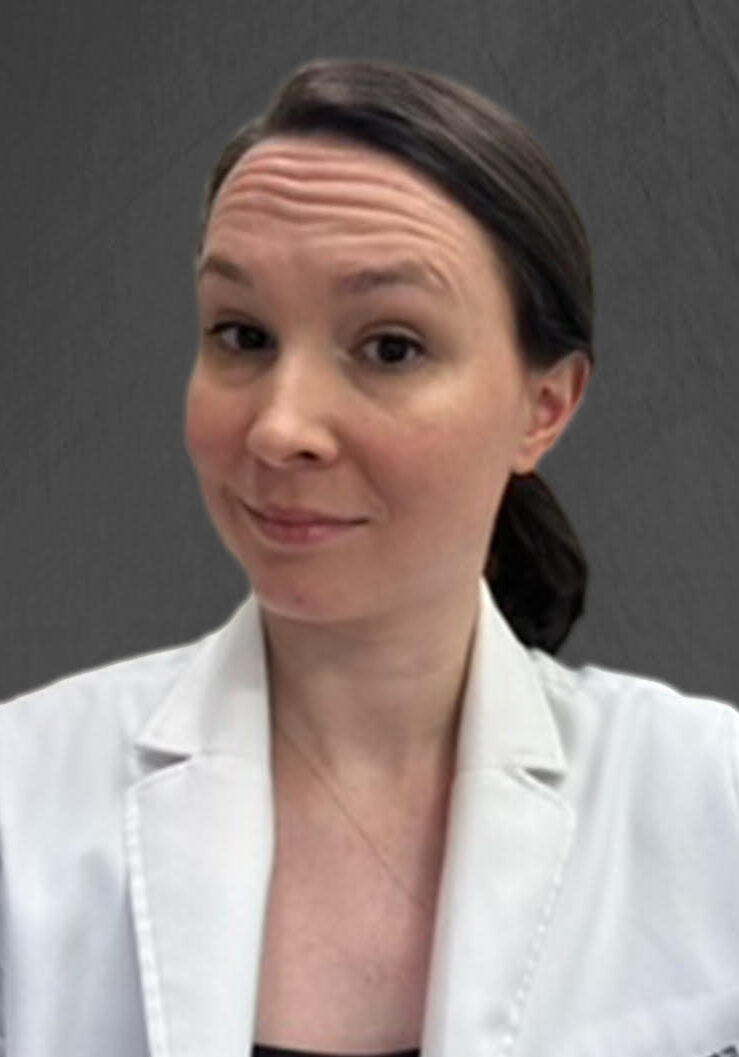
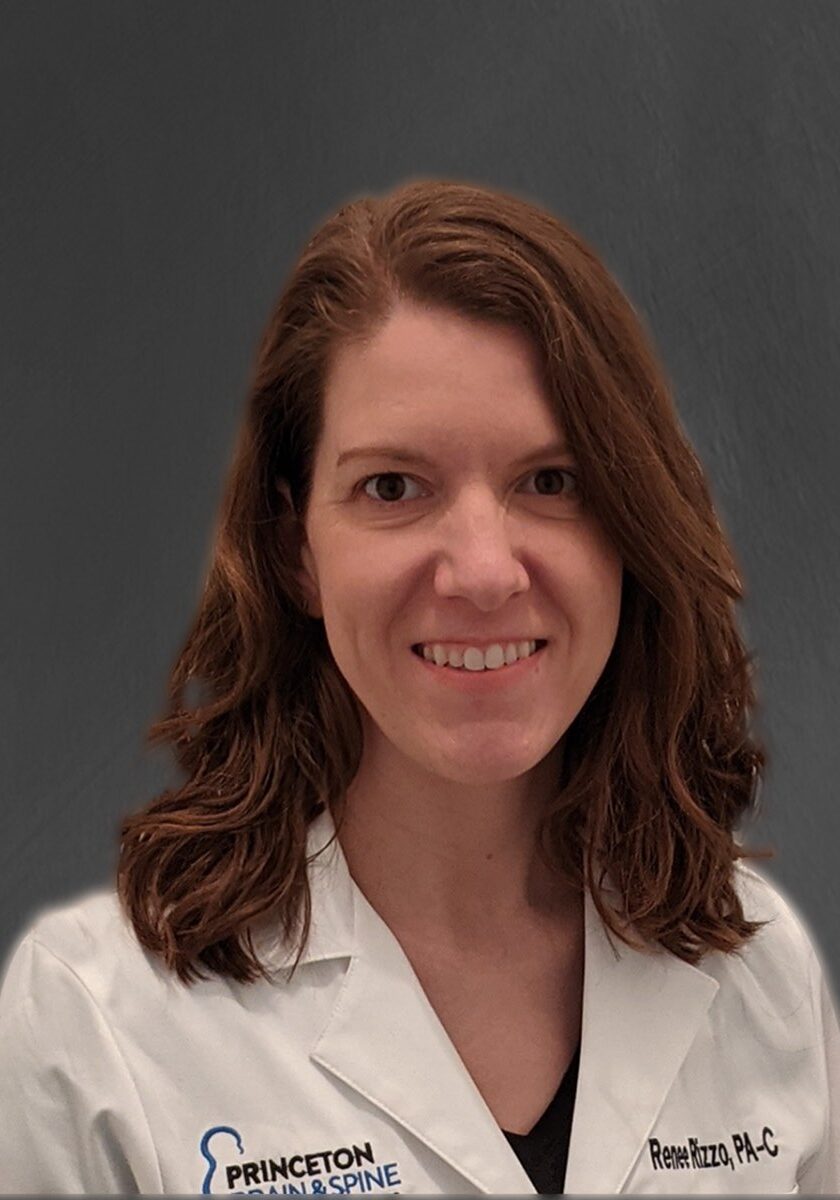
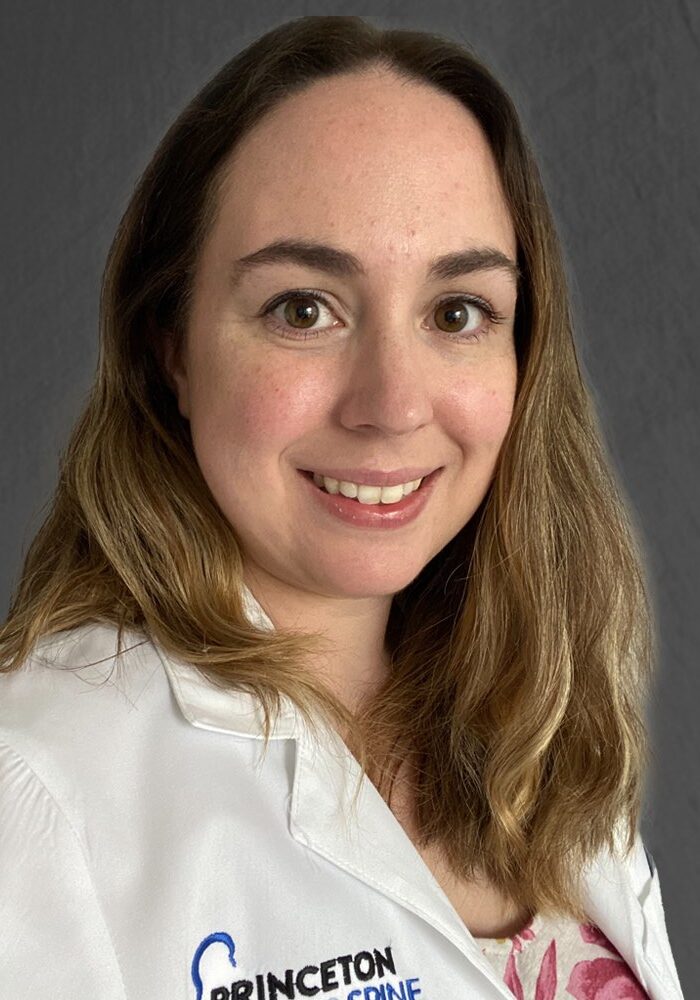
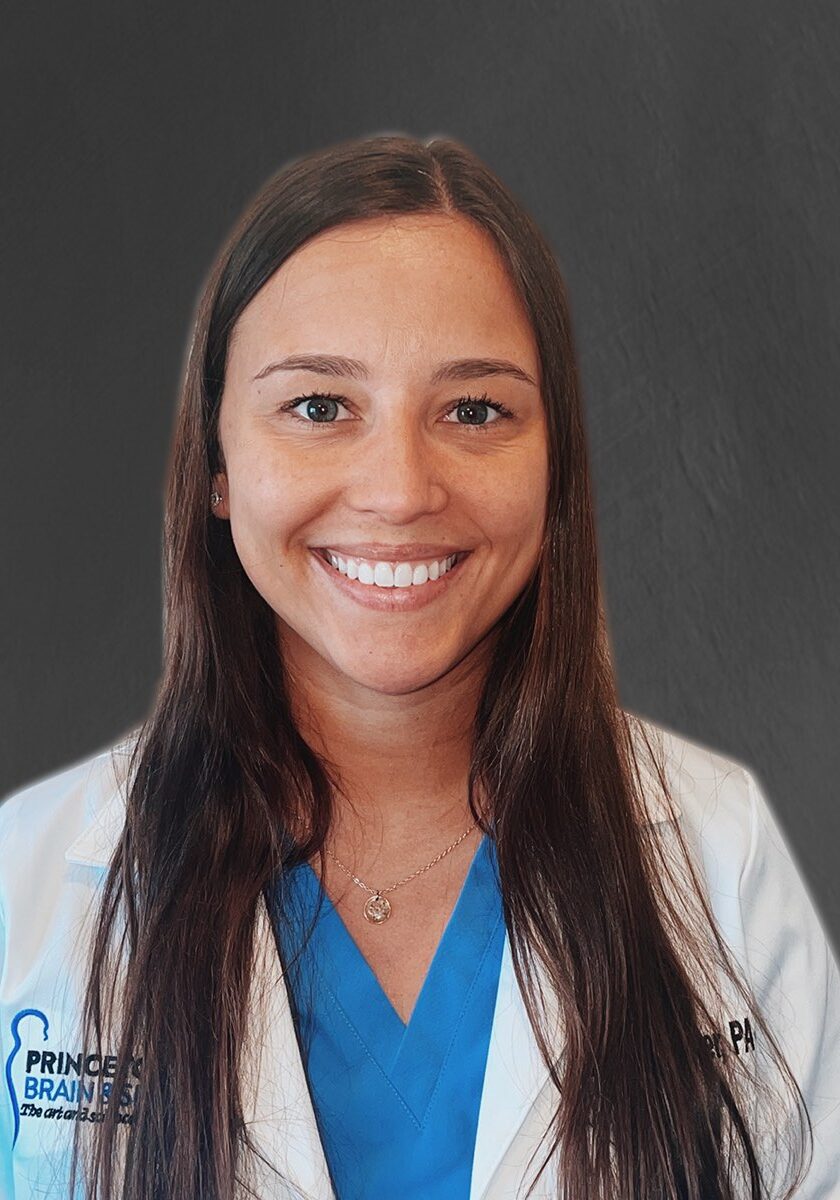
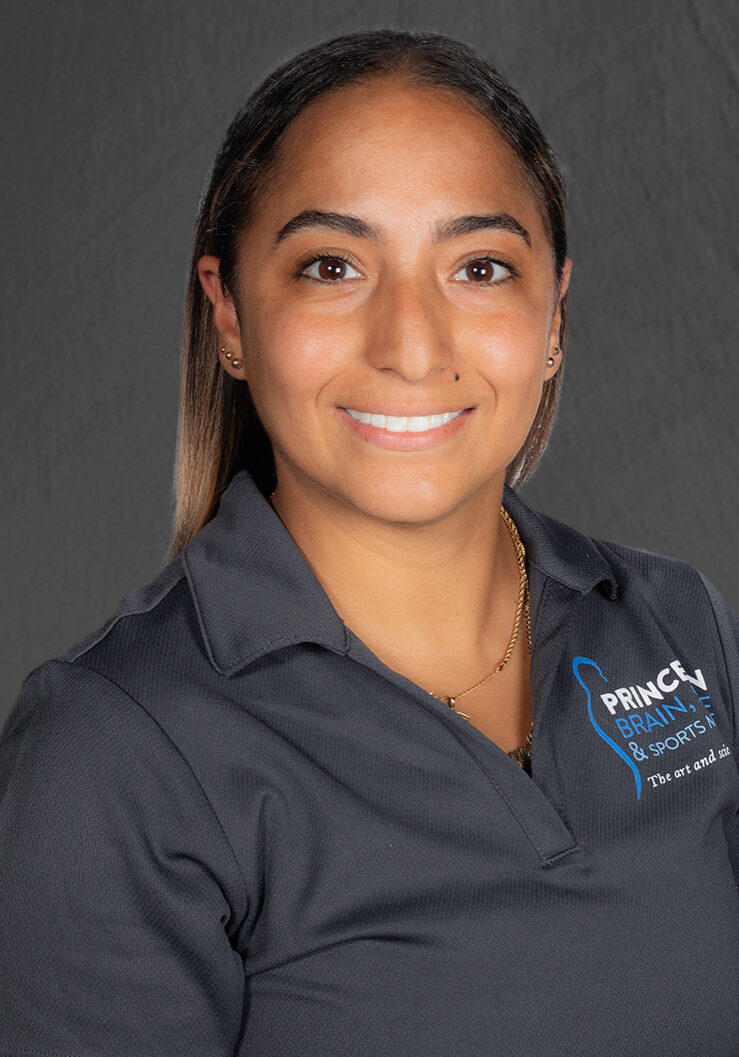
Our multi-disciplinary team provides highly specialized treatments and customized therapies, delivered with compassion.
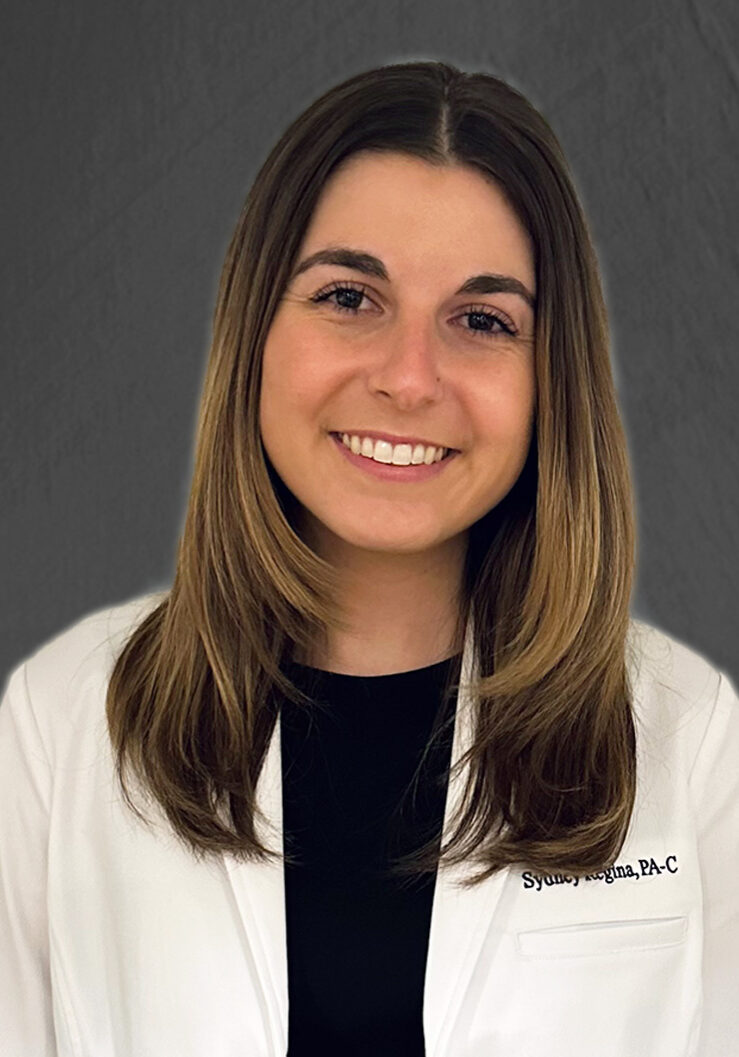
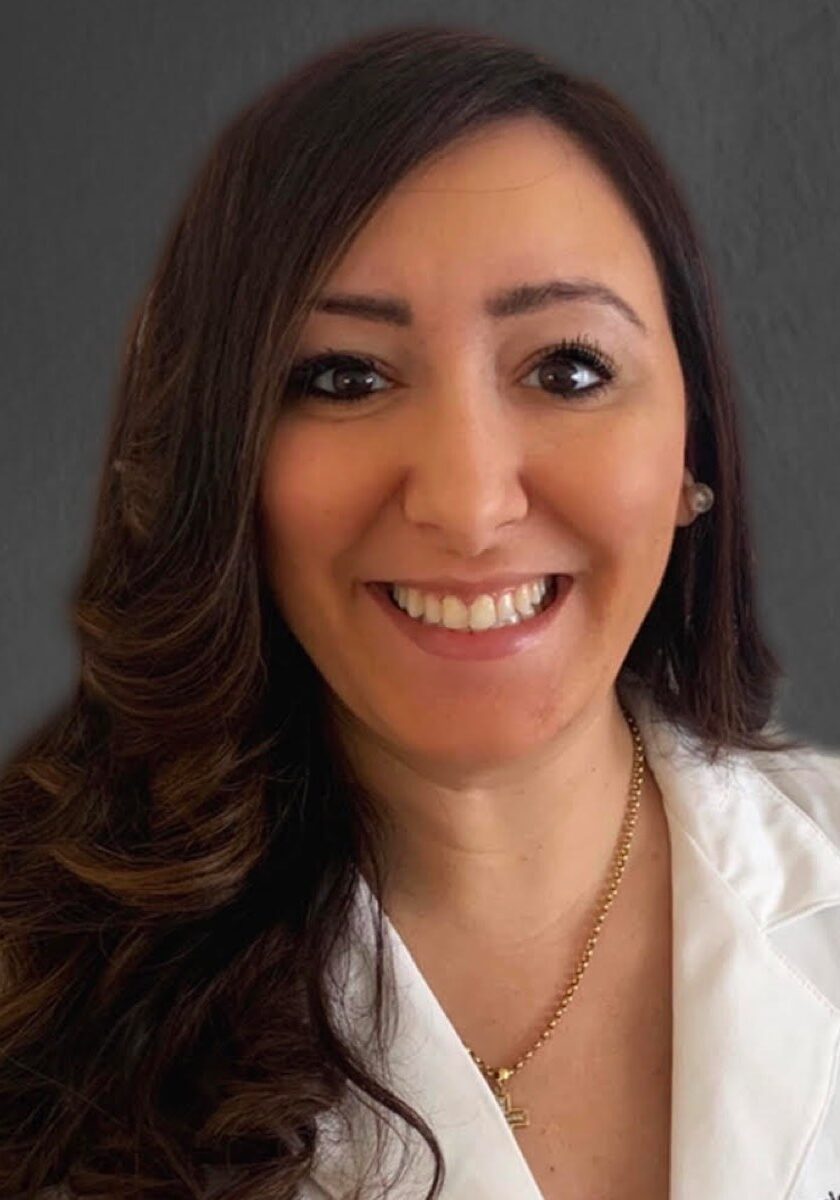
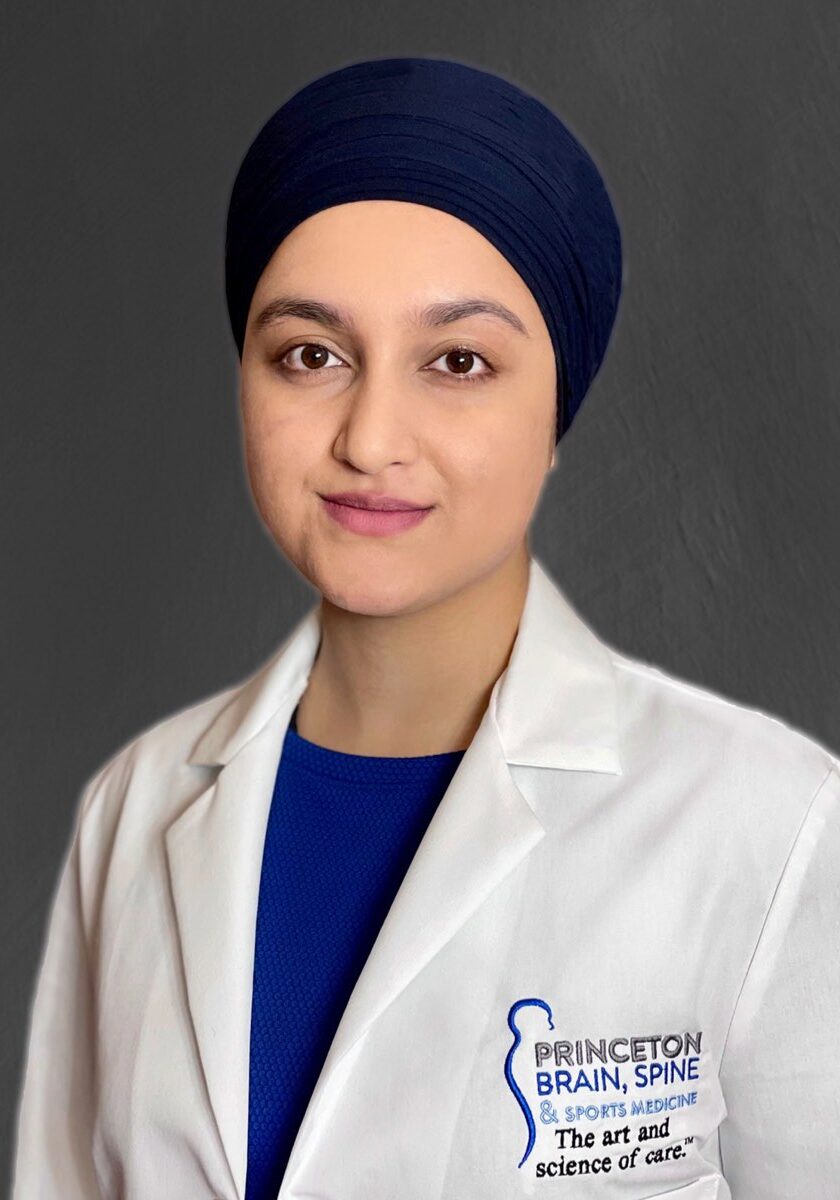
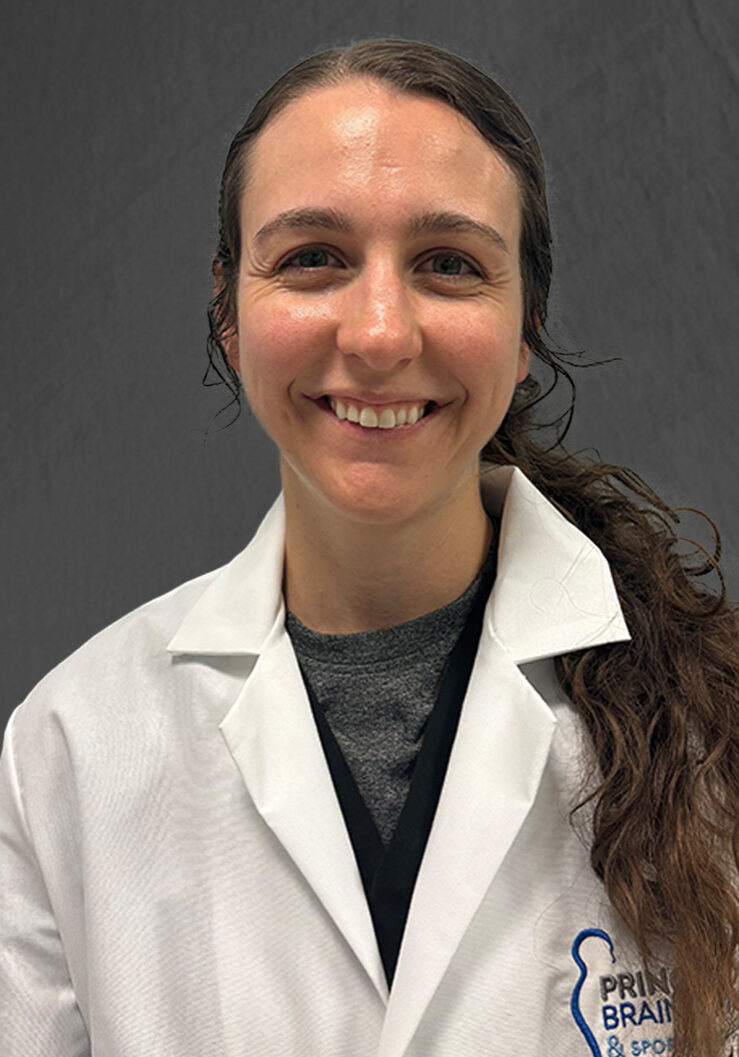

Services & Treatments
Treating the whole person with advanced neuroscience, cutting-edge sports medicine and best-possible outcomes.



Patient Center
To build a foundation of trust and understanding, we answer every question and fully educate you about our services, conditions and procedures.
The Princeton Brain, Spine & Sports Medicine Difference
Combining sophisticated treatment with compassionate, patient-focused care.
Founded in 2005, Princeton Brain, Spine & Sports Medicine believes there's a better way to practice medicine than bending to the whims of big insurance companies. Using technologically advanced treatment techniques, our experienced surgeons and physicians have built a practice centered on patient relationships, not managed care policies. Here, your health, healing and quality of life are our primary objectives.
Patient Testimonials
Lives changed. Hope restored.
Request an Appointment
Submit an appointment request on our patient portal or contact our New Jersey and Pennsylvania campuses to speak with a patient advocate.