Shoulder Arthroscopy
At Princeton Brain, Spine & Orthopedics, our expert orthopedic surgeons specialize in advanced procedures that restore function and relieve pain with minimal downtime. Shoulder arthroscopy is one of the most effective minimally invasive techniques available for patients struggling with shoulder injuries and chronic pain.
This state-of-the-art procedure allows our team to diagnose and repair shoulder problems through tiny incisions – helping you recover faster, with less pain and scarring than traditional open surgery. If conservative treatments haven’t brought relief, shoulder arthroscopy may be the solution that gets you back to the active lifestyle you love.
What is Shoulder Arthroscopy?
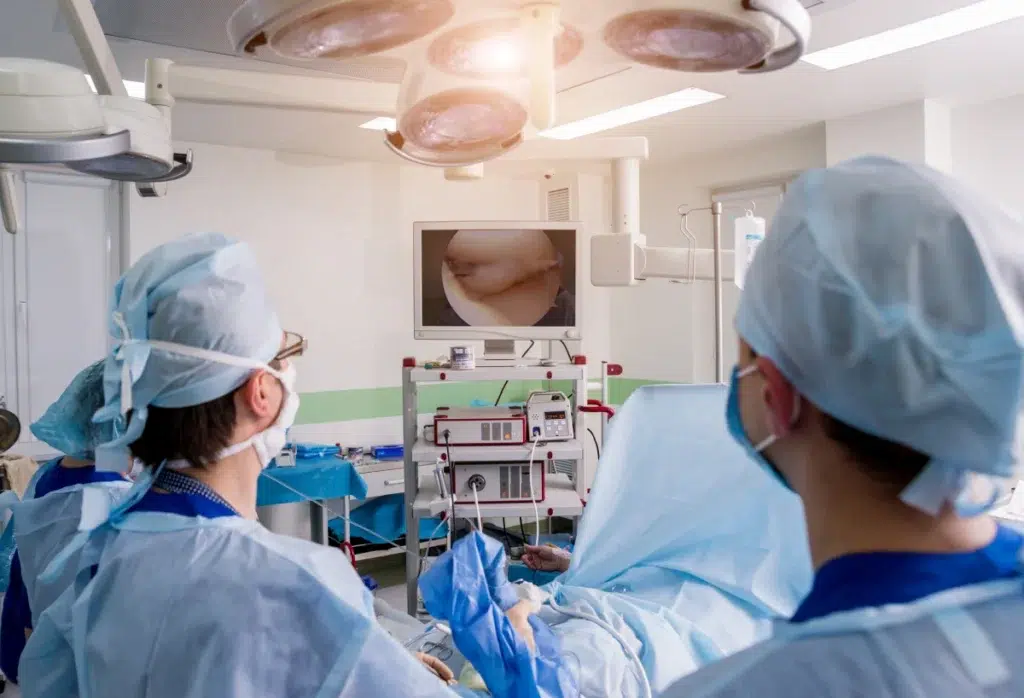
Shoulder arthroscopy is a minimally invasive surgical technique that uses a pencil-sized camera (arthroscope) and specialized instruments to diagnose and repair shoulder problems. Instead of one large incision, surgeons create several buttonhole-sized portals to access the joint.
During the procedure, the shoulder is gently expanded with sterile saline, and the arthroscope transmits high-definition images to a monitor. This gives your surgeon a magnified, crystal-clear view of the joint, allowing for highly precise repairs.
Benefits of arthroscopic shoulder surgery include:
- Smaller incisions and minimal scarring
- Less post-operative pain
- Faster recovery times
- Lower risk of infection
- Same-day outpatient procedure
Conditions Treated with Shoulder Arthroscopy
At Princeton Brain, Spine & Orthopedics, shoulder arthroscopy is used to treat a wide range of injuries and conditions:

- Rotator cuff tears: Repair of partial or complete tendon tears using suture anchors
- Shoulder impingement syndrome: Removal of inflamed tissue and reshaping of bone for more space
- Labral tears & SLAP lesions: Repair of cartilage damage that causes pain and instability
- Shoulder instability & recurrent dislocations: Tightening ligaments and repairing torn tissue
- Frozen shoulder (adhesive capsulitis): Arthroscopic capsular release to restore mobility
- Biceps tendon injuries: Arthroscopic tenodesis or tenotomy
- Arthritis and synovitis: Removal of inflamed tissue and damaged cartilage
- Loose bodies: Removal of bone or tissue fragments inside the joint

The Shoulder Arthroscopy Procedure
At Princeton Brain, Spine & Orthopedics, shoulder arthroscopy is performed as a same-day outpatient procedure. Our expert orthopedic surgeons use state-of-the-art arthroscopic technology to repair shoulder injuries through small incisions—minimizing trauma while maximizing precision.
Here’s what to expect:
- Anesthesia: Most patients receive a regional nerve block for excellent pain control, often combined with mild sedation.
- Incisions: Your surgeon creates 2–4 buttonhole-sized openings to insert a tiny camera and surgical instruments.
Visualization: The arthroscope projects high-definition images of the shoulder joint, allowing your surgeon to identify and address all damaged tissues. - Repair: Depending on your condition, the procedure may include repairing torn rotator cuff tendons, tightening ligaments, trimming inflamed tissue, or removing loose fragments.
- Completion: After repairs are made, the small incisions are closed with sutures or surgical tape, and the arm is supported in a sling.
Recovery and Rehabilitation After Shoulder Arthroscopy
Recovery timelines vary depending on the procedure performed, but most patients benefit from significantly less pain and faster healing compared to open shoulder surgery.
- Immediately after surgery: You’ll spend about 1-2 hours in recovery before going home. The nerve block provides pain relief for 12-24 hours.
- Sling use: Depending on the repair, you may need a sling for a few days (simple procedures) up to 6 weeks (rotator cuff or instability repairs).
- Pain management: A combination of prescribed medication, icing, and rest keeps discomfort under control.
- Physical therapy: Rehab begins with gentle motion exercises within the first 1-2 weeks, progressing to strengthening and stability training over the following months.
- Timeline for return to activities:
- Desk work: 1-2 weeks
- Driving: 1-6 weeks
- Sports and heavy labor: 3-6 months
Most patients regain 90-95% of their shoulder function when they follow their rehabilitation plan closely.
Frequently Asked Questions
What is the success rate of shoulder arthroscopy?
Success depends on the condition treated, but most procedures achieve 80–95% success rates. Patient satisfaction is high, especially when combined with proper rehabilitation.
Will I regain full motion?
Most patients recover 90–95% of pre-injury motion. For frozen shoulder cases, motion recovery is often dramatic.
What if arthroscopy doesn’t resolve my shoulder pain?
If symptoms persist, options may include revision arthroscopy, open surgery, or, in severe arthritis cases, joint replacement.
Is shoulder arthroscopy better than open surgery?
Yes. Arthroscopy typically offers less pain, faster recovery, smaller scars, and the ability to treat multiple issues in a single surgery. Some complex cases may still require open surgery.
Why Choose Princeton Brain, Spine & Orthopedics
- Expert orthopedic surgeons with advanced training in shoulder procedures
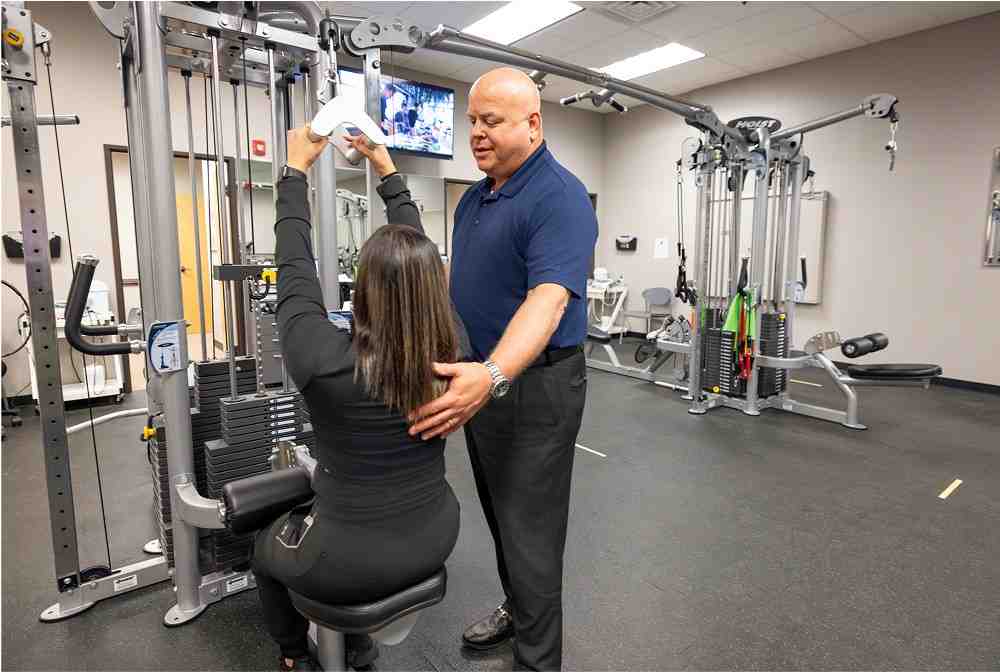
- Comprehensive care team for diagnosis, surgery, pain management, and rehabilitation
- Minimally invasive approach designed for faster recovery and less downtime
- Cutting-edge technology including 4K arthroscopic imaging and advanced surgical tools
- Personalized rehabilitation programs tailored to your condition and lifestyle goals

Take the Next Step Toward Recovery
If shoulder pain is interfering with your life and non-surgical treatments haven’t worked, shoulder arthroscopy may be the solution. At Princeton Brain, Spine & Orthopedics, we provide world-class expertise, advanced technology, and personalized care to get you moving again.
Call today to schedule a consultation with one of our expert orthopedic surgeons and learn whether shoulder arthroscopy is right for you.
Request an Appointment
Submit an appointment request on our patient portal or contact our New Jersey and Pennsylvania campuses to speak with a patient advocate.
Schedule an Appointment