Rotator Cuff Repair
Shoulder pain can take over your life. Simple movements like reaching overhead, lifting groceries, or even getting dressed may become difficult or impossible. If you’re struggling with a torn rotator cuff and conservative treatments haven’t worked, rotator cuff repair surgery may be the solution.
At Princeton Brain, Spine & Orthopedics, our expert orthopedic surgeons provide advanced surgical options, personalized recovery plans, and comprehensive care designed to get you back to the activities you love.
What is Rotator Cuff Repair?
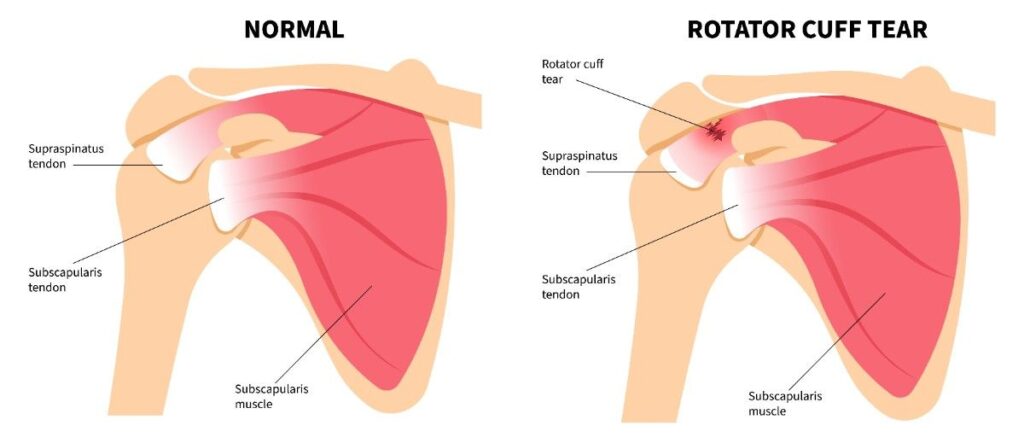
The rotator cuff is a group of four muscles and tendons that stabilize your shoulder and allow a wide range of motion. When these tendons tear, pain, weakness, and loss of function follow.

Rotator cuff repair surgery reattaches the torn tendons to the upper arm bone (humerus) using specialized techniques like suture anchors. The goals of surgery include:
- Restoring shoulder strength and movement
- Relieving pain
- Preventing further tendon damage
- Helping patients return to work, sports, and everyday activities
Not every tear requires surgery, but full-thickness tears, severe pain, or persistent weakness often do. Our team evaluates your unique situation and builds the best treatment plan for you.
What Causes Rotator Cuff Tears?
Rotator cuff tears can happen suddenly or develop gradually over time. The most common causes include:

- Acute injury: A fall, lifting something too heavy, or a sudden jerking motion can cause the tendon to tear. This is more common in younger, active individuals or athletes.
- Degenerative wear and tear: With age, the tendons naturally weaken and lose elasticity. Repetitive shoulder movements over years can lead to fraying and eventual tearing.
- Repetitive overhead activity: Jobs and sports that involve frequent overhead motions, such as painting, construction, baseball, or tennis, put added stress on the rotator cuff.
- Bone spurs: Extra bone growths on the shoulder can rub against the rotator cuff tendon, gradually wearing it down.
- Poor blood supply: As we get older, the rotator cuff tendons receive less blood flow, making it harder for them to repair small injuries and more likely to tear.
In some cases, a tear may start small and worsen over time if left untreated. That’s why early evaluation and treatment are so important for protecting long-term shoulder function.

Types of Rotator Cuff Repair Procedures
PBSO offers the full range of surgical techniques, tailoring each to the patient’s condition:
Arthroscopic Repair
- Minimally invasive, using a tiny camera and small incisions
Less tissue trauma, faster recovery, and lower risk of complications
Outpatient procedure — most patients go home the same day
Open Repair
- Uses a larger incision for direct access
Typically reserved for complex or massive tears
Allows extensive reconstruction when multiple tendons are involved
Mini-Open Repair
- Combines arthroscopy with a small incision
- Balances minimally invasive techniques with improved visualization
- Ideal for medium-sized tears
Your surgeon will recommend the approach that provides the best chance of a strong, lasting repair.
When is Surgery Recommended?
Surgery may be right for you if:
- You have a full-thickness tear that won’t heal on its own
- Conservative care (physical therapy, injections, rest) hasn’t worked after 2-3 months
- Your pain interferes with sleep or daily activities
- You’ve had an acute traumatic injury, especially at a younger age
- You need strong shoulder function for your job, sports, or hobbies
Our orthopedic surgeons use imaging, functional exams, and your personal goals to guide the decision.

Recovery and Rehabilitation
Rotator cuff recovery takes time, but with expert care and physical therapy, most patients regain strong, pain-free function.
- First 6 weeks: Sling immobilization and gentle passive exercises
- 6-12 weeks: Transition to active motion and light strengthening
- 3-6 months: Progressive strengthening and functional movement training
- 6-12 months: Return to heavy work, sports, or overhead activities
Your commitment to rehab is one of the most important factors in achieving a successful outcome.
Why Choose Princeton Brain, Spine & Orthopedics for Rotator Cuff Repair
- Expert orthopedic surgeons with advanced fellowship training
- Personalized care: Every patient gets an individualized plan
- Comprehensive services: From diagnostics and surgery to rehabilitation
- Convenient locations: Across New Jersey and Pennsylvania
Our mission is to help you regain mobility, strength, and confidence with the highest standard of orthopedic care.
Frequently Asked Questions
Can a rotator cuff tear heal without surgery?
Partial tears sometimes improve with physical therapy and injections, but full-thickness tears rarely heal on their own.
Will my shoulder be as strong as before the injury?
Many patients regain full strength, especially after small or medium tears. Large tears may result in some permanent weakness, but pain relief and function are typically much improved.
How long will I need to wear a sling after rotator cuff surgery?
Most patients need to wear a sling for 4–6 weeks, depending on the size and complexity of the repair.
Can a rotator cuff tear come back after surgery?
Yes, re-tears can occur, especially with larger tears or if the tendon quality is poor. However, advances in surgical techniques and rehabilitation have significantly reduced recurrence rates.
How soon after an injury should I consider rotator cuff surgery?
For acute traumatic tears in younger patients, earlier surgery (within a few weeks) leads to the best outcomes. For chronic tears, your surgeon may recommend trying conservative treatments first.

Take the First Step Toward Shoulder Relief
If shoulder pain is holding you back, the specialists at Princeton Brain, Spine & Orthopedics are here to help. Our orthopedic surgeons provide advanced rotator cuff repair and comprehensive care to restore strength, motion, and quality of life.
Call us today to schedule a consultation and find out if rotator cuff surgery is right for you.
Request an Appointment
Submit an appointment request on our patient portal or contact our New Jersey and Pennsylvania campuses to speak with a patient advocate.
Schedule an Appointment