
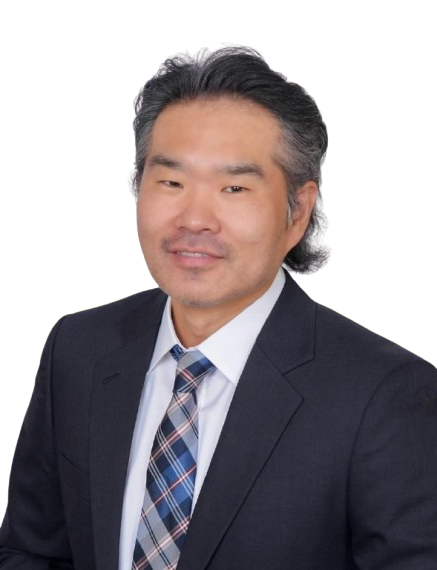
Two years into my neurosurgical residency, I le the training program to become a different kind of doctor. A pain medicine physician.
I was fully focused on being a neurosurgeon when I graduated from medical school. However, as my training progressed, I came to view surgery as a way to prevent further damage, but not necessarily a means to ease pain and restore functionality. Thanks to a growing array of cu ng-edge, nonsurgical treatments, both have become more likely under the guidance of a pain medicine physician.
I see myself as more than a typical physician, though, because treating pain is about more than medications and procedures. To address the root cause, and not just your symptoms, we need to be more expansive and consider your lifestyle too, including your diet and exercise habits.
Too often, these pieces are missing from treatment plans. Yet they can significantly contribute to acute and chronic pain. By factoring them in, we’re forming a long-term plan to improve your pain and restore your health, rather than merely addressing symptoms as they worsen.
I want you to be able to return to the ac ve lifestyle you enjoyed before the pain limited you. There are lots of ways to go about this, including new methods that have shown the ability to optimize the body’s healing capacity and enable peak performance.
That said, I know my limits. And because of my neurosurgery training, I understand when surgery is the best op on. In those instances, ac ng quickly is critical to achieving a good outcome.
Family and community are very important to me. My parents and I came to the United States when I was young, and I saw them struggle at times to receive the healthcare they needed because of language and cultural divides. I’m motivated today to remove those barriers through my own practice.
I welcome referrals for acute and chronic pain, and I accept most insurance providers, as well as Medicare.
- FINDLOCATION
- Request anappointment