Persistent lower back, hip, groin, or leg pain can quietly take over your day — making it hard to sit through a meeting, sleep through the night, or simply enjoy a walk with the people you love. For many patients, the source of that pain is the sacroiliac (SI) joint, and when conservative care no longer brings relief, minimally invasive SI joint fusion can be a life-changing next step. At Princeton Brain, Spine & Orthopedics, we help patients across New Jersey and Eastern Pennsylvania pinpoint the true source of their pain and chart a clear, personalized treatment path back to comfort and mobility.
Our fellowship-trained neurosurgeons and orthopedic spine specialists have spent nearly two decades caring for patients with complex spine and joint conditions, performing thousands of advanced procedures across our NJ and PA campuses. Every SI joint fusion at PBSO is guided by board-certified, award-winning surgeons who combine the latest minimally invasive techniques with a thorough, evidence-based diagnostic process — so you receive a recommendation only when it’s truly the right option for you. It’s world-class specialty care delivered with the warmth, clarity, and respect you’d want for your own family.
About Sacroiliac Anatomy & Pain Causes
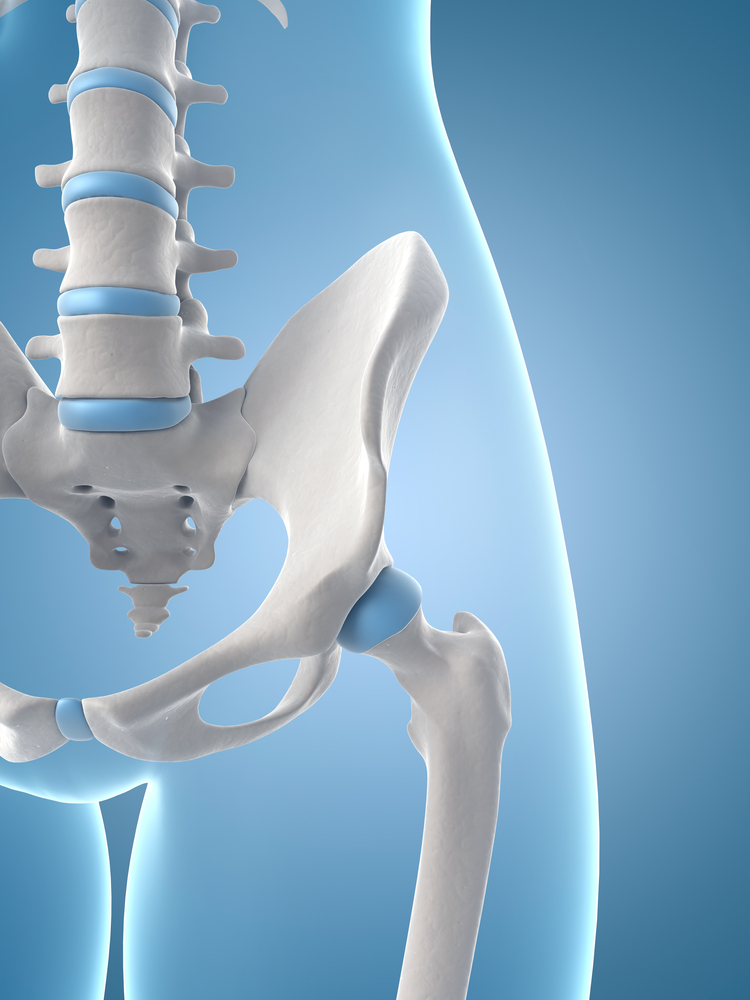
The triangular bone below the lumbar (lower) spine is called the sacrum. While most of the spinal vertebrae move, the sacrum is comprised of five fused vertebrae. The two large bones forming the pelvis are called the iliac bones. The sacroiliac (SI) joints are the connectors between the sacrum and the iliac bones. Unlike most other joints in the body, the sacroiliac joints move very little. Instead, they serve as stabilizers and shock absorbers between the upper and lower body, as well as supporting the weight of the torso during standing. These tasks impose a great deal of stress on the SI joints, so it is relatively common for arthritis to form as joint cartilage wears.
In addition to arthritis, sacroiliac joint pain may also be caused by joint inflammation, hypermobility, hypomobility, gait issues, pregnancy, or injury. This SI joint dysfunction or degeneration leads to a variety of symptoms, including:
- Significant lower back pain
- Pelvic, groin & hip pain
- Pelvic & low back instability
- Increased pain when transitioning from standing to sitting
- Exacerbated pain after standing or sitting too long
- Numbness or tingling in the hip & leg
- Pain radiating into the thigh
- Hip & leg weakness
What is SI Joint Fusion Surgery?
Surgery is a last-resort treatment for sacroiliac pain and dysfunction. However, when conservative treatments fail to bring SI joint pain relief and quality of life is significantly impacted, our NJ and PA surgeons may recommend minimally invasive SI joint fusion surgery. During the fusion procedure, surgeons use screws, rods, or bone grafts to fuse the ilium and sacrum and eliminate joint motion.
Princeton Brain, Spine & Orthopedics uses a minimally invasive surgical method for sacroiliac joint fusion. Traditional (open) SI fusion typically takes far longer to heal and leads to higher complication rates. During the minimally invasive procedure, your surgeon will make a small incision in the side of the buttock and move the gluteal muscles to reveal the ilium. Using precision surgical tools and fluoroscopy imaging to guide the procedure, surgeons insert the instruments or the bone graft that will heal to fuse the pelvis and lower spine. The incision is closed and sutured, and recovery times are notably shorter than open surgery requires.
Benefits of Minimally Invasive SI Joint Fusion Surgery
Joint fusion is often effective in reducing pain and symptoms caused by SI joint inflammation or dysfunction. Benefits of our minimally invasive SI fusion procedure include:
- Small incisions
- Minimal tissue displacement
- Short operating time
- Faster healing
- Minimal blood loss
- Improved joint stability & pain relief
Risks of SI Joint Fusion Surgery
While sacroiliac surgery has a high rate of success, there are risks. The primary risk is that the minimally invasive fusion does not alleviate pain and related symptoms, or that the joint does not fully fuse. In rare cases, fusing the sacroiliac joint transfers pressure to other areas of the pelvis or spine, creating pain that did not exist before (adjacent segment disease).
At Princeton Brain, Spine & Orthopedics, we have excellent outcomes with sacroiliac joint fusion, and we take care to ensure you are an ideal candidate for the procedure before recommending this surgical option.
Why Choose Princeton Brain, Spine & Orthopedics for SI Joint Fusion
For nearly 20 years, Princeton Brain, Spine & Orthopedics has been a trusted destination for patients across New Jersey and Eastern Pennsylvania seeking advanced, compassionate care for spine, joint, and neurological conditions. Our award-winning, board-certified surgeons are fellowship-trained leaders in minimally invasive SI joint fusion and other complex spinal disorders, supported by a multidisciplinary team that thoughtfully guides every patient from precise diagnosis through full recovery. We believe expert care should also feel human — calm, clear, and reassuring — which is why patients consistently choose PBSO when their mobility, quality of life, and trust in the outcome truly matter.
Schedule Your SI Joint Pain Evaluation Today
If lower back, hip, or pelvic pain is limiting your activities, you don’t have to live with it any longer. Call Princeton Brain, Spine & Orthopedics today at (888) 741-7272 to schedule a first or second opinion with our SI joint fusion specialists, or contact us online to learn more. Relief, mobility, and a clear plan forward are just one conversation away.